
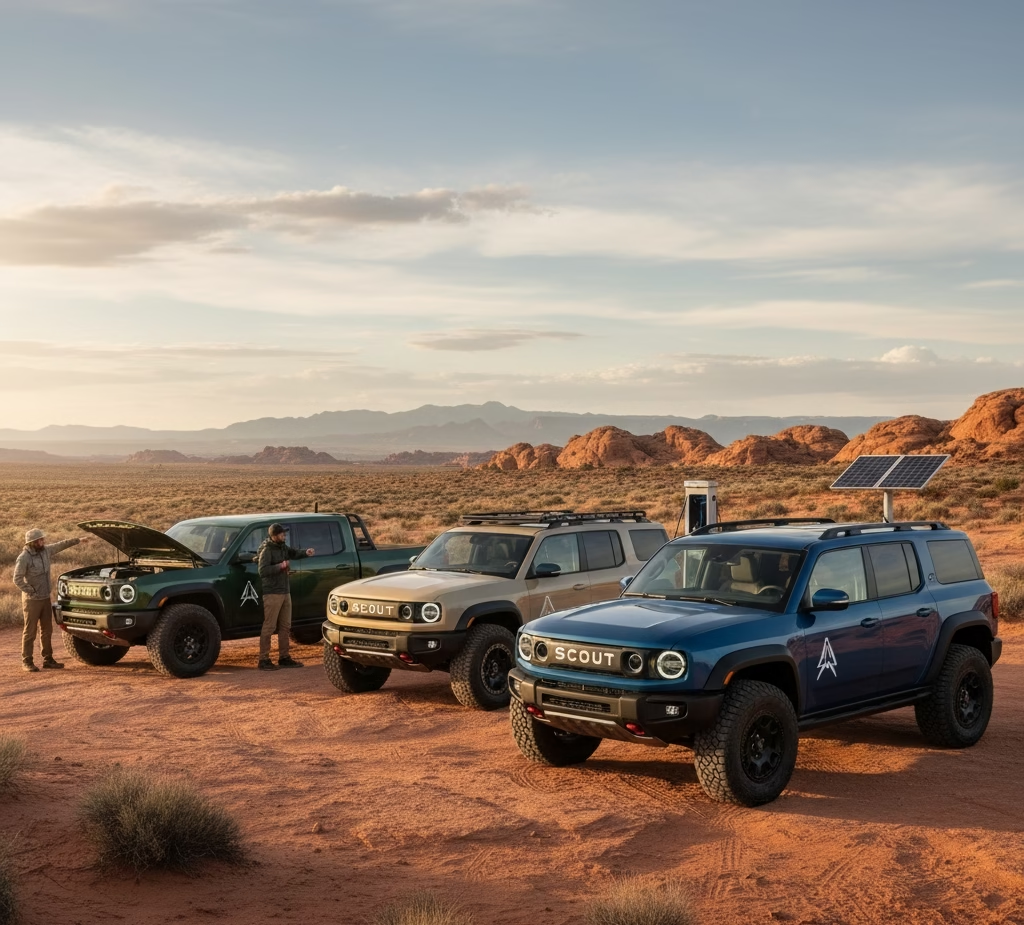
Scout’s Bold Return: Electric Trucks with a Retro Twist
In an era dominated by sleek touchscreens and digital interfaces, Scout Motors is making a bold comeback by prioritizing tactile controls in their latest electric off-road vehicles. As a Volkswagen subsidiary, Scout is reviving the legendary Scout brand with the Terra pickup truck and Traveler SUV, set to hit production in 2027. These rugged, body-on-frame EVs promise to blend retro charm with modern tech, addressing consumer frustrations with overcomplicated car interiors. If you’re an off-road enthusiast searching for “electric trucks with physical buttons,” Scout’s approach could be the refresh the automotive industry needs.
Introducing the Scout Terra Truck and Traveler SUV
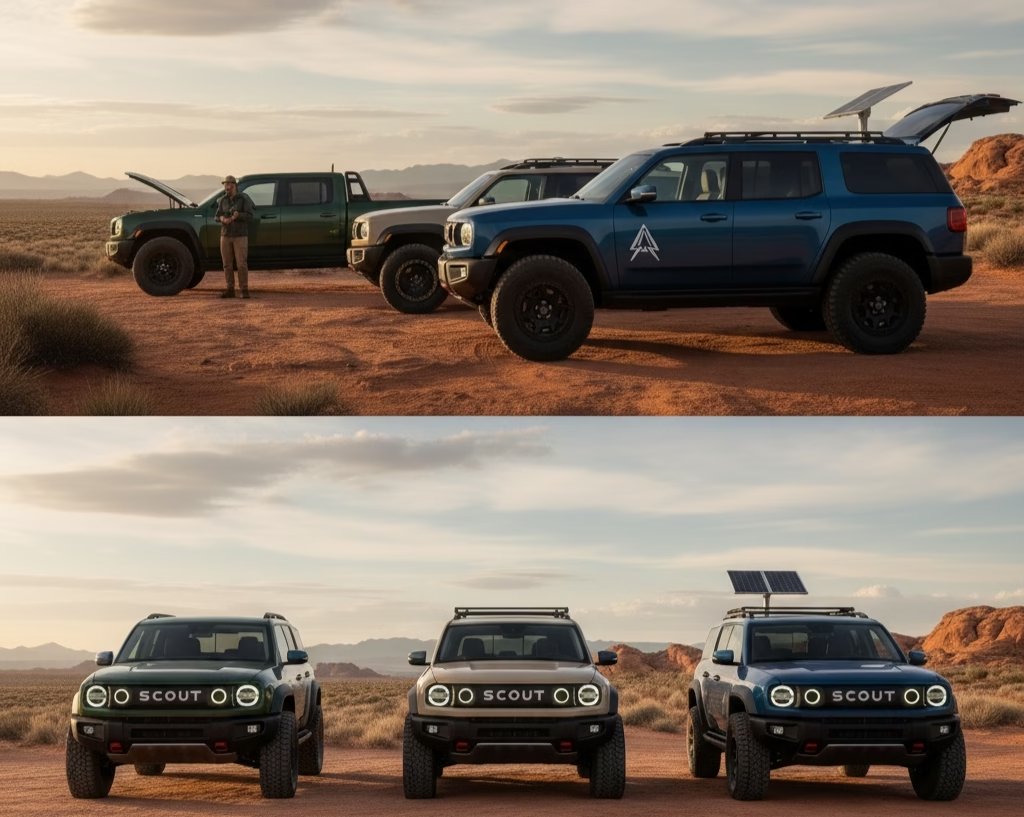
Scout Motors unveiled the Terra and Traveler concepts, designed for adventure seekers who demand durability and performance. The Terra is a versatile pickup truck ideal for hauling gear on tough terrains, while the Traveler SUV offers family-friendly space without sacrificing off-road capabilities. Both models feature a robust body-on-frame construction, ensuring they can handle extreme conditions like mud, rocks, and steep inclines.
What sets these vehicles apart is their electric powertrain options. Buyers can choose between pure battery-electric versions for zero-emission driving or range-extender hybrids that combine electric motors with a gas generator for extended trips. This flexibility caters to those worried about range anxiety in remote areas, making Scout a top contender in the “best electric off-road vehicles” category. 0 With over 130,000 reservations already in place, it’s clear that consumers are excited—especially since about 80% prefer the hybrid setup for its practicality.
Read More: Auto Insurance vs. Full Coverage: What’s Better for U.S. Drivers in 2025?
Bypassing Dealerships: Direct-to-Consumer Sales Model
In a move that’s shaking up the auto sales landscape, Scout plans to sell directly to consumers, skipping traditional dealerships altogether. This strategy not only reduces overhead costs but also streamlines the buying process, allowing for personalized configurations and faster delivery. For buyers tired of haggling at showrooms, this direct approach could make purchasing an “affordable electric truck” more appealing.
Volkswagen’s backing ensures high-quality manufacturing, with production slated for a new facility. This model echoes successful strategies from brands like Tesla, potentially positioning Scout as a leader in the “direct sales electric vehicles” market. Early adopters are already showing strong support, signaling a shift toward more consumer-centric automotive sales.
The Big Win: Ditching Touchscreens for Physical Buttons
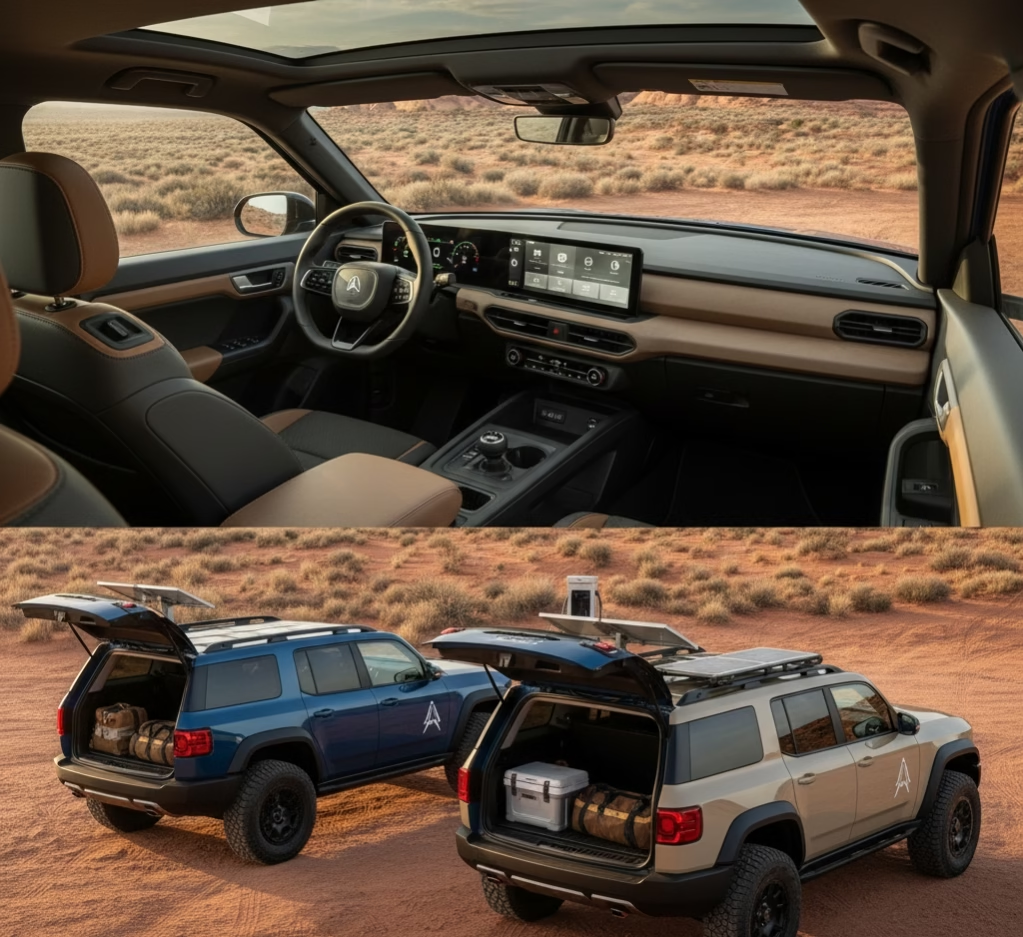
One of the most talked-about features is Scout’s commitment to physical buttons and mechanical switches. In a world where cars are increasingly controlled via touchscreens, Scout is bucking the trend by emphasizing tactile feedback. CEO Scott Keogh describes modern vehicles as “dystopian disconnection machines,” where essential functions are buried in endless menus, leading to distracted driving.
The concept vehicles include two large screens for infotainment and navigation, but key controls—like climate settings, volume, and drive modes—are handled by prominent buttons and knobs. This design philosophy aims to enhance driver focus and safety, especially during off-road adventures where quick adjustments are crucial. Keogh, a former Volkswagen executive, ironically critiques the very touchscreen-heavy designs his previous company popularized, which faced widespread backlash.
Industry Backlash and Regulatory Shifts
The pushback against touchscreens isn’t just anecdotal; it’s gaining traction industry-wide. Volkswagen itself has pledged to reinstate buttons after customer complaints about haptic controls. In Europe, safety regulators like Euro NCAP are now penalizing vehicles without physical controls for critical functions, deducting points in safety ratings. This highlights the real-world benefits of buttons: reduced eyes-off-road time and improved usability.
For Scout, this means their vehicles could score higher in safety tests while appealing to drivers who value simplicity. As more automakers follow suit, we might see a broader return to “cars with physical buttons,” blending nostalgia with innovation. Keogh’s vision of fewer screens and more connection resonates with those frustrated by tech overload in daily driving.
Why Scout’s Revival Matters for the Future of EVs
Scout Motors’ revival isn’t just about nostalgia; it’s a strategic play in the growing electric vehicle market. By combining rugged off-road prowess with user-friendly interfaces, the Terra and Traveler address key pain points in current EVs. Whether you’re searching for “hybrid electric trucks 2027” or “off-road SUVs with buttons,” Scout offers a compelling alternative to touchscreen-dominated competitors.
As production ramps up, expect these models to influence design trends, proving that advanced tech doesn’t have to sacrifice intuitiveness. For off-road enthusiasts and everyday drivers alike, Scout’s button-focused approach could redefine what makes a vehicle truly driver-centric. Keep an eye on Scout Motors—this American icon is back, and it’s pushing the industry toward a more tactile, connected future.
2 thoughts on “‘Scout Motors’ New Electric Trucks: Bringing Back Physical Buttons in a Touchscreen World”
Comments are closed.