India’s EV market just got a whole lot more exciting — and JSW MG Motor India is at the center of it.
Following the record-breaking success of the Windsor EV, which sold over 35,000 units in 2024 alone and became India’s best-selling electric SUV, MG Motor India is gearing up for its most aggressive product offensive yet. At the 2025 Bharat Mobility Expo, the company made one thing very clear: the next two years — 2026 and 2027 — are going to reshape the Indian SUV market like never before.
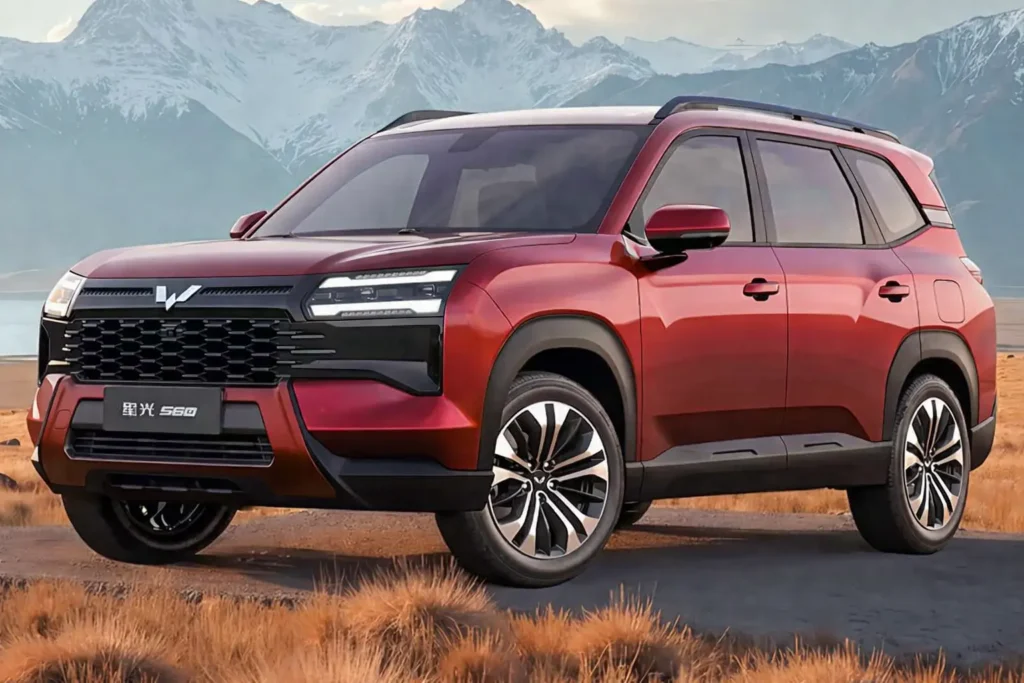
MG India’s launch plans for 2026-27 include three major products: the flagship MG IM6, a premium performance electric SUV priced around ₹60 lakh; the Starlight 560 PHEV, a plug-in hybrid SUV set to challenge the Mahindra XUV7XO and Tata Harrier; and an all-new midsize SUV arriving in 2027 to take on the Hyundai Creta, Kia Seltos, and Tata Sierra.
In this article, you will learn:
- Everything about the IM6’s specs and whether it justifies the ₹60 lakh price tag
- How the Starlight 560 PHEV’s 100 km electric range works in real Indian daily driving
- What to expect from MG’s 2027 Creta rival on the SIGMA platform
- And most importantly: should you buy now or wait?
Let’s break it all down.
Why MG India’s 2026-27 Lineup Is a Turning Point for Indian Car Buyers
The Rapidly Evolving Indian EV Landscape
According to the Society of Indian Automobile Manufacturers (SIAM), electric vehicle sales in India crossed 1.7 lakh units in 2024 — a staggering 66% growth year-on-year. The Government of India has set a target of 30% EV penetration by 2030, and NITI Aayog estimates the Indian EV market could reach ₹20 lakh crore by the end of this decade.
It is precisely this momentum that JSW MG Motor India — in which JSW Group holds a 35% equity stake — is looking to capitalize on with a multi-product, multi-segment push across 2026 and 2027.
MG Select Network: The Premium Dealership Experience
Alongside its upcoming products, MG has launched the MG Select premium dealership network. Think of it as MG’s equivalent of BMW SelectCars or Mercedes-Benz Star — a curated, white-glove buying experience specifically designed for high-end products like the IM6 and Cyberster.
MG Select showrooms will feature dedicated EV charging lounges, extended test drive zones, and certified pre-owned programs. The first phase will cover Delhi, Mumbai, Bangalore, Pune, and Hyderabad, with a subsequent rollout planned for Tier-2 cities like Jaipur, Surat, and Lucknow.
Windsor EV’s Success as a Launchpad
Windsor EV proved that Indian buyers are fully ready to pay ₹15–20 lakh for a quality electric SUV. MG is now testing a bigger hypothesis: can the Indian market absorb premium EVs in the ₹40–60 lakh bracket — the same space where BMW iX1 and Volvo XC40 Recharge currently operate? The IM6 will be the answer to that question.
MG IM6: India’s Next Premium Performance Electric SUV at ₹60 Lakh
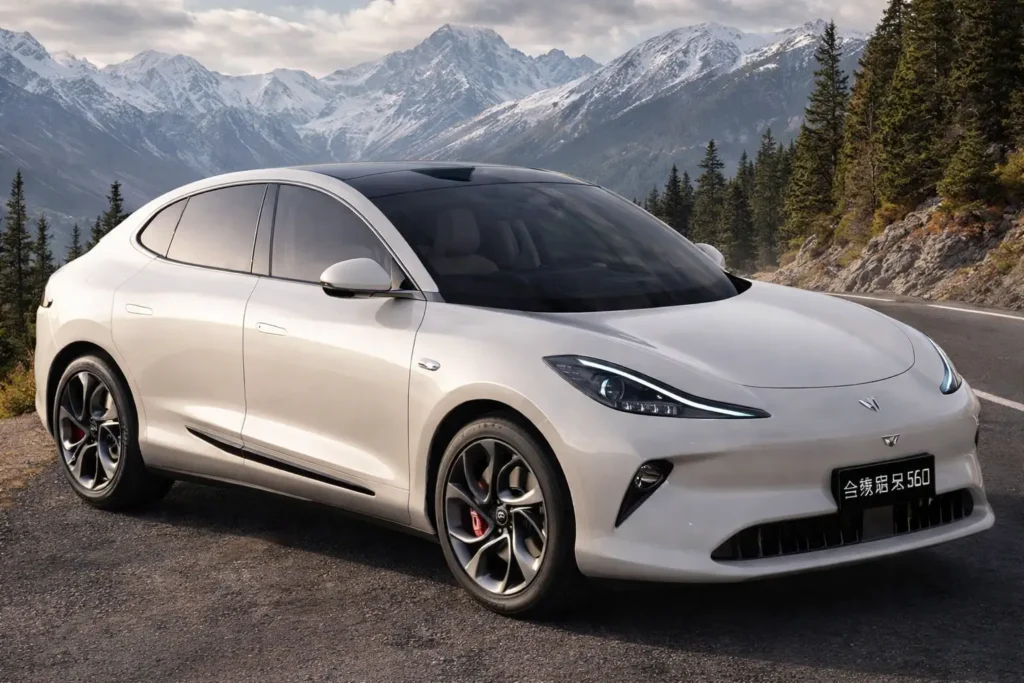
What Is the IM6 and Why Does It Matter?
The MG IM6 is not strictly an MG product — it belongs to the IM (Intelligent Mobility) brand, which is also owned by SAIC Motor, the same parent company that owns MG. In China, IM competes in the luxury EV space against Nio and Li Auto. In India, it will be sold through MG Select dealerships, positioned below the MG M9.
The IM6 made its Indian debut at the 2025 Bharat Mobility Expo, where it generated significant buzz, particularly among tech professionals in Bangalore and Delhi.
IM6 Technical Specifications
| Specification | Detail |
|---|---|
| Architecture | 800V Ultra-fast Charging |
| Battery Capacity | Up to 100 kWh |
| Motor Configuration | Dual Motor AWD |
| Power Output | 778 bhp / 802 Nm |
| 0–100 km/h | 3.4 seconds |
| Claimed Range | Up to 555 km |
| ADAS System | LiDAR-based |
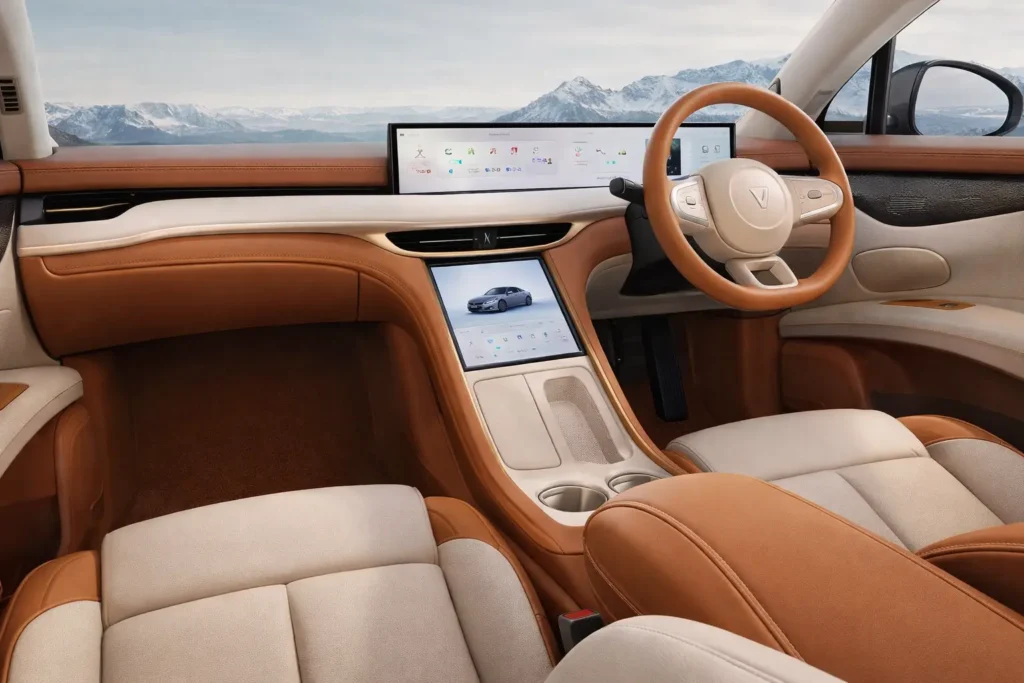
| Display | 26.3-inch panoramic + 10.5-inch portrait |
The 800V architecture is arguably the IM6’s biggest technological advantage. Most EVs currently sold in India — including the Tata Nexon EV, MG ZS EV, and Hyundai Ioniq 5 — use 400V architecture. The 800V system delivers:
- Ultra-fast charging — theoretically 10–80% in under 20 minutes
- Lower heat generation, resulting in improved long-term battery health
- Better efficiency at sustained highway speeds
Who Is the IM6 Actually Competing Against?
At the ₹60 lakh price point, the IM6’s direct rivals are:
- BMW iX1 (₹67–69 lakh) — but the IM6 offers significantly more range and power
- Volvo XC40 Recharge (₹55–60 lakh)
- Hyundai Ioniq 6 (₹45–55 lakh) — a sedan, not an SUV
On paper, the IM6 outspecifies all of them. The real questions are brand perception, after-sales quality, and long-term reliability — areas where MG still needs to build credibility in the premium space.
Real Concern: LiDAR ADAS Repair Costs
Rohan Mehta, a Tesla Model 3 owner in Mumbai who is considering his next EV upgrade, put it plainly: the specifications are impressive, but the unknown cost of replacing a LiDAR sensor three years down the line is a genuine concern.
This is valid. In China, LiDAR sensor replacements for the IM6 are estimated at the equivalent of ₹80,000–₹1,50,000. In India, import duties could push that figure higher. MG needs to publish transparent ADAS repair pricing before or at the time of launch — something they have not yet done.
MG Starlight 560: Can It Dethrone the XUV7XO and Tata Harrier?
Introducing the Starlight 560 to India
MG India’s second major 2026 launch is the Starlight 560 SUV, internally codenamed Project 520. Testing has already commenced in India, and the launch is expected by late 2026. Based on the Wuling Starlight platform, it will be offered in two variants:
- Starlight 560 PHEV — Plug-in Hybrid
- Starlight 560 EV — Pure Electric
Dimensions and Segment Positioning
The Starlight 560 is a genuinely large SUV:
- Length: 4,745 mm
- Width: 1,850 mm
- Height: 1,755 mm
- Wheelbase: 2,810 mm
For comparison, the Mahindra XUV700 measures 4,695 mm in length with a 2,750 mm wheelbase. The Starlight 560 is marginally larger, firmly placing it in the premium midsize SUV category.
PHEV Powertrain: How Practical Is 100 km of Electric Range in India?
PHEV Configuration:
- Engine: 1.5L Petrol
- Battery: 20.5 kWh
- Electric-only range: ~100 km
EV Configuration:
- Battery: 56.7 kWh
- Claimed range: ~500 km
Consider Vikram Desai, who runs a software firm in Pune with a daily commute of around 35 km each way. With the Starlight 560 PHEV:
- Weekdays: Runs entirely on electric power — zero fuel cost
- Weekend trips: Hybrid mode handles Pune–Mumbai highway drives comfortably
- Monthly fuel savings: Approximately ₹6,000–₹8,000 compared to a petrol-only SUV
This is the core value proposition that neither the XUV700 nor the Harrier EV can match. The XUV700 has no electrified option, and the Harrier EV, while an excellent EV, is not a PHEV.
Starlight 560 vs. Key Competitors
| Car | Expected Price | Powertrain | Electric Range |
|---|---|---|---|
| MG Starlight 560 PHEV | ₹25–32 lakh | Plug-in Hybrid | ~100 km |
| Mahindra XUV7XO | ₹18–26 lakh | ICE / EV | 0 km (ICE) / 450 km (EV) |
| Tata Harrier EV | ₹22–26 lakh | Pure EV | ~500 km |
| Toyota Hyryder | ₹18–25 lakh | Strong Hybrid | 0 km (no plug-in) |
Starlight vs Hyryder: The Hyryder’s strong hybrid system saves fuel but offers no pure EV driving mode. The Starlight 560 PHEV’s 100 km electric range genuinely covers 60–70% of typical urban daily trips in cities like Bengaluru, Pune, and Ahmedabad — a real, measurable advantage.
2027 Creta Rival: MG’s New Midsize SUV to Replace ZS EV and Astor
Why ZS EV and Astor Are Being Phased Out
This may be difficult to hear for existing ZS EV and Astor owners, but it is a confirmed reality. MG India is officially phasing out both models over the coming years. The Astor never achieved Creta-level sales volumes, and the ZS EV struggled after affordable rivals like the Tata Nexon EV and Tiago EV entered the market.
Their replacement will be an all-new midsize SUV, likely based on the global MG One SUV platform, built on SAIC Motor’s SIGMA architecture — a modern, purpose-built platform for next-generation vehicles.
Two Variants: ICE and EV
ICE Version (2027) — Will compete against:
- Hyundai Creta (India’s No.1 selling SUV — 1.8 lakh units sold in 2024)
- Kia Seltos
- Tata Sierra (upcoming)
- Maruti Grand Vitara / upcoming Maruti Victus
EV Version (2027) — Will compete against:
- Hyundai Creta Electric (₹17–23 lakh)
- Mahindra BE 6 (₹18–26 lakh)
- Tata Curvv EV (₹17–21 lakh)
Expected price range: ICE — ₹13–18 lakh | EV — ₹17–24 lakh
The Trust Problem MG Must Solve
Priya Sharma, a marketing professional in Delhi who purchased an Astor in 2022, represents a common MG buyer experience. The features were impressive at purchase, but after-sales service and resale value both disappointed over three years. Her Astor’s resale value dropped approximately 40% in that period, compared to roughly 25% for a same-year Hyundai Creta.
For the 2027 SUV to genuinely challenge the Creta, MG must fix two things:
- Stronger, consistent service network — especially in Tier-2 cities like Nagpur, Coimbatore, Bhopal, and Patna
- Improved brand trust and resale value perception — which can only be built over time through quality and reliability
Government Schemes and EV Tax Benefits for MG Buyers in India
PM E-Drive Scheme and State-Level Benefits
The Government of India’s PM E-Drive Scheme has allocated ₹10,900 crore for EV sector development. While direct consumer subsidies for premium EVs like the IM6 are limited under this scheme, state-level incentives make a meaningful difference:
- Maharashtra: Road tax exemption on EVs priced up to ₹65 lakh
- Karnataka: 100% road tax waiver plus registration fee exemption
- Delhi: Additional ₹1.5 lakh subsidy under the Delhi EV Policy
A potential IM6 buyer in Bangalore or Mumbai could realistically save ₹3–4 lakh on taxes and registration fees alone.
MSME and Business Buyer Advantages
For business owners — whether running a trading firm in Mumbai, a textile company in Surat, or an IT startup in Bangalore — the Starlight 560 PHEV as a company vehicle makes a strong financial case:
- Input Tax Credit (ITC): GST-registered businesses can claim ITC on EVs and PHEVs
- Accelerated Depreciation: EVs qualify for 40% depreciation in the first year under the Income Tax Act (vs. 15% for petrol vehicles)
- Fuel savings directly improve operating margins and reduce the total cost of ownership over a 5-year period
Should You Buy Now or Wait for MG’s 2026-27 Models?
Three Real-World Buyer Scenarios
Scenario 1: Rohan — Bangalore, Software Engineer, ₹25–30 lakh budget
Considering Tata Nexon EV or Hyundai Creta Electric.
Recommendation: Do not wait. The 2027 MG Creta rival is still in development. The Nexon EV and Creta Electric are mature, proven products with established service networks. By the time MG’s 2027 model launches and demonstrates its reliability, you would have wasted two years. Buy a proven EV today and enjoy it.
Scenario 2: Vikram — Pune, Business Owner, ₹30–40 lakh budget, wants PHEV
Looking at XUV700 or a Harrier upgrade.
Recommendation: The Starlight 560 PHEV wait is worth it — if you can hold on until late 2026. There is virtually no serious PHEV competitor in this segment today. The 100 km electric range will meaningfully reduce your daily fuel costs and the TCO math works strongly in its favour.
Scenario 3: Neha — Delhi, Tech Executive, ₹55–70 lakh budget, wants premium EV
Comparing BMW iX1 vs MG IM6.
Recommendation: Wait for the IM6 if you can be flexible until early 2026. On specifications, the IM6 wins convincingly. However, BMW’s service network and residual value offer real peace of mind that MG cannot yet match. Make the final call after a real-world test drive post-launch.
Read More: Mercedes-Benz V-Class Extra LWB: India Price, Features, Powertrains (2026)
India’s EV Infrastructure: Will the IM6’s 800V Technology Actually Work Here?
The Fast Charging Reality Check
The IM6’s 800V architecture reaches its full potential only when paired with 350 kW+ High Power Chargers (HPC). India’s current charging infrastructure:
- Tata Power: 4,000+ charging points nationally, mostly 50 kW DC fast chargers
- EESL (Energy Efficiency Services Limited): Government-backed, steadily expanding
- ChargeZone, Statiq, Ather Grid: Growing rapidly in metro areas
Currently, 350 kW-compatible HPCs exist in meaningful numbers only in Bangalore, Delhi, Mumbai, and Hyderabad. By 2026, the picture should improve significantly — NITI Aayog has mandated HPC expansion along national highway corridors under the PM E-Drive programme.
For metro-city buyers, the IM6’s 800V advantage will be real and usable. For buyers in Tier-2 cities, the benefit will be limited in the initial years.
Conclusion
MG India’s launch plans for 2026-27 represent the brand’s most ambitious and diverse product strategy since entering the Indian market. The IM6 aims to build premium EV credibility in a segment currently dominated by European brands. The Starlight 560 PHEV enters an almost uncontested space in India’s midsize SUV market. And the 2027 Creta rival will be the real litmus test — a make-or-break product for MG’s long-term volume ambitions.
The technology on paper is genuinely impressive across all three products. The 800V architecture, LiDAR ADAS, 100 km electric-only range, and SIGMA platform are all meaningful upgrades over what exists today. But as the ZS EV and Astor experience showed, technology alone does not build loyalty — consistent service quality and residual value do.
JSW’s involvement has brought financial stability and operational improvements, but the real test will play out in service centers in Nagpur, spare parts availability in Lucknow, and resale values in Chennai.
If you are in the market for a premium EV above ₹50 lakh, or specifically looking for a PHEV — MG India’s 2026-27 launch plans deserve serious attention. For the volume midsize segment, let the 2027 model prove itself before committing.
Watch this space. The next two years are going to be very interesting for Indian car buyers.
Frequently Asked Questions
1. When will the MG IM6 launch in India and what is the expected price?
The MG IM6 is expected to launch in India in 2026, exclusively through the MG Select premium dealership network. The anticipated price is in the ₹55–65 lakh range (ex-showroom). It is a performance-oriented electric SUV featuring an 800V architecture, a 100 kWh battery pack, dual-motor AWD producing 778 bhp and 802 Nm of torque, a claimed range of 555 km, and a LiDAR-based ADAS system. A 26.3-inch panoramic display is among its headline interior features.
2. How practical is the MG Starlight 560 PHEV’s 100 km electric range for Indian daily driving?
Very practical for urban commuters. The average daily commute in Indian cities like Pune, Bengaluru, and Hyderabad ranges between 30 and 50 km. With a 100 km electric-only range, most weekday trips can be completed without using any petrol at all. For weekend highway drives, the hybrid system takes over seamlessly. This makes the Starlight 560 PHEV genuinely more economical for daily use than a Toyota Hyryder, which has no plug-in capability or pure EV mode.
3. Will the resale value of MG Astor and ZS EV drop after the new models arrive?
This is a legitimate concern. Vehicles that are officially phased out typically see softer resale demand over time. However, an immediate collapse is unlikely — the transition to new models will be gradual through 2026-27. Astor and ZS EV owners who purchased in 2023–24 will still get 2–3 years of utility from their vehicles. If resale is a near-term priority, selling in 2025–26 before the phase-out is formally announced may yield better returns.
4. How is the MG Select dealership different from regular MG showrooms?
MG Select is a premium, experience-focused dealership format designed exclusively for high-end MG and IM brand products such as the IM6, Cyberster, and M9. Key differences include dedicated EV charging lounges, personalised relationship managers, certified pre-owned vehicle programs, and extended test drive experiences. It is comparable to BMW SelectCars or Mercedes-Benz Star in terms of positioning. The initial rollout will cover five Tier-1 cities: Delhi, Mumbai, Bangalore, Pune, and Hyderabad.
5. Can the 2027 MG Creta rival actually compete with the Hyundai Creta?
On specifications and platform quality, absolutely — the SIGMA architecture is modern and capable. However, the Hyundai Creta’s real advantage lies in its brand trust, dealer network depth, and proven resale value. For the MG SUV to meaningfully compete, the company must significantly improve service infrastructure in Tier-2 cities and demonstrate consistent quality over the first 12–18 months post-launch. If those fundamentals are in place, it has a genuine shot at being a strong contender.
6. How will the IM6’s 800V fast charging work in India given the current infrastructure?
The IM6’s 800V system delivers maximum charging benefit only when paired with 350 kW+ High Power Chargers, which currently exist in limited numbers — primarily in Bangalore, Delhi, Mumbai, and Hyderabad. By the time of its 2026 launch, the situation should improve due to NITI Aayog’s highway HPC expansion mandate under the PM E-Drive Scheme. Buyers in metro cities will benefit substantially from the fast-charging capability; Tier-2 city buyers may not see the full advantage for another 1–2 years.
7. What are the hidden costs of owning the Starlight 560 PHEV in India?
Potential additional costs to factor in include: (1) Home charger installation — a one-time cost of approximately ₹15,000–₹25,000; (2) Dual drivetrain maintenance — servicing both the petrol engine and the electric components; and (3) Insurance premiums — marginally higher for EVs and PHEVs than equivalent petrol vehicles. On the savings side, urban PHEV drivers can expect fuel savings of ₹6,000–₹10,000 per month, plus 40% accelerated income tax depreciation for business buyers and potential GST Input Tax Credit for registered businesses. Over a 5-year horizon, total cost of ownership typically favours the PHEV.
8. Will MG provide good service for these new models in Tier-2 and Tier-3 cities?
This remains the most important unanswered question. The MG Select network, through which the IM6 will be sold, is launching only in Tier-1 cities initially. The 2027 Creta rival will require a much broader network. If you are based in cities like Nagpur, Coimbatore, Lucknow, or Bhopal, it would be advisable to check MG’s officially announced service expansion roadmap before committing to a purchase. The track record with ZS EV service quality in smaller cities was inconsistent, and this must improve for the new models.
9. What is the expected LiDAR ADAS repair cost for the MG IM6 in India?
This is currently the biggest transparency gap in MG’s India launch communication for the IM6. In China, LiDAR sensor replacements are estimated at the equivalent of approximately ₹80,000–₹1,50,000. India’s import duties on such components could push costs higher. MG has not yet published any official ADAS repair pricing for India. Prospective buyers should specifically ask for a detailed service cost schedule covering ADAS components before finalising a purchase decision.
10. Is it worth waiting until 2027 for MG’s Creta rival, or should I buy a Creta now?
If your budget is ₹13–18 lakh and you need a reliable midsize SUV today, buying a Hyundai Creta, Kia Seltos, or Tata Nexon EV right now makes complete sense. The Creta is a proven, thoroughly refined product. The MG 2027 SUV, while potentially exciting, is an unknown quantity — you would be waiting 18–24 months and then still need to give it 12 months to prove its reliability. However, if you are flexible on timeline and specifically interested in a fresh, feature-rich option, keeping an eye on the 2027 MG launch is reasonable once confirmed specifications and pricing are announced.
Disclaimer: Launch timelines, pricing, and specifications in this article are based on available media reports and industry sources as of 2025. Final details may vary from MG India’s official announcements.
Sources: SIAM Annual Report 2024, NITI Aayog EV Roadmap, PM E-Drive Scheme official documentation, 2025 Bharat Mobility Expo coverage, MG India official press communications.